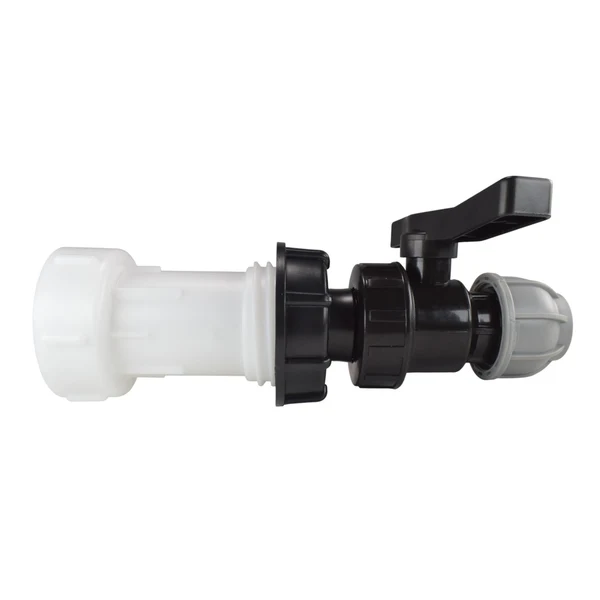
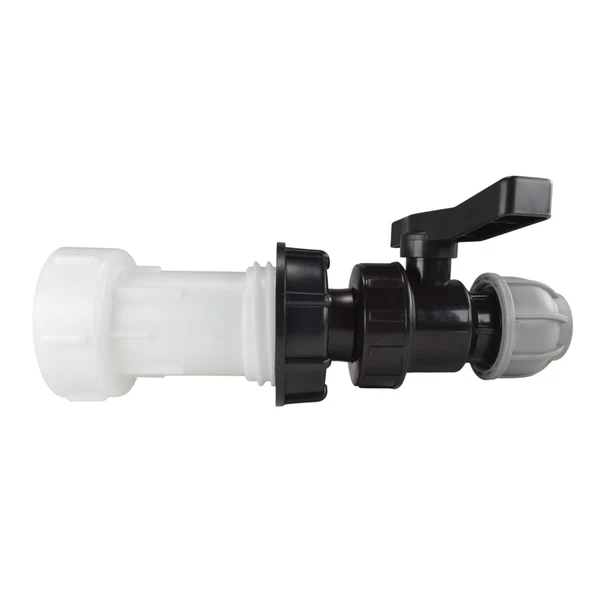
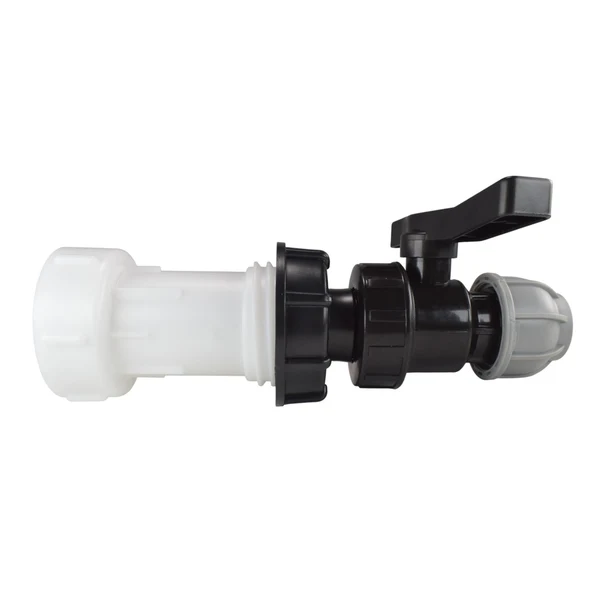
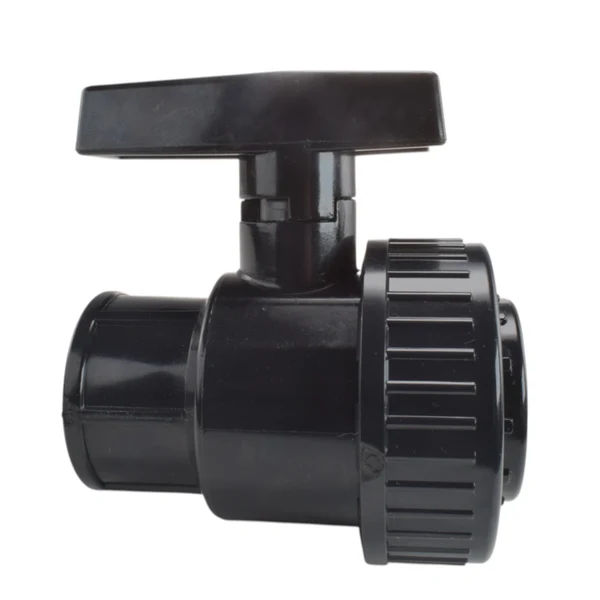
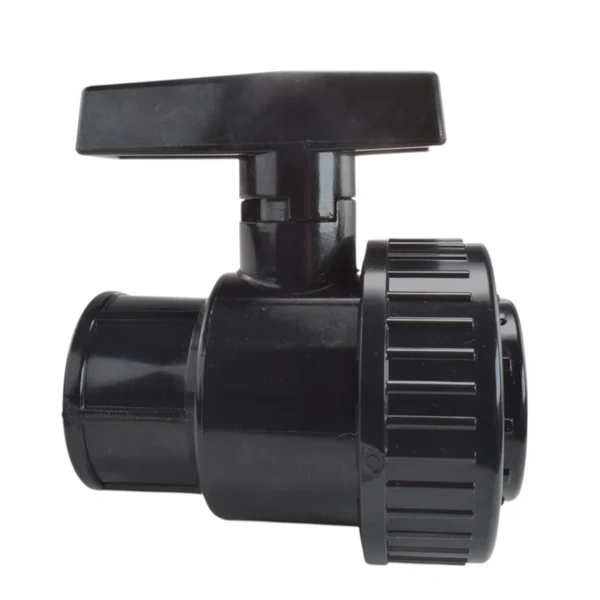
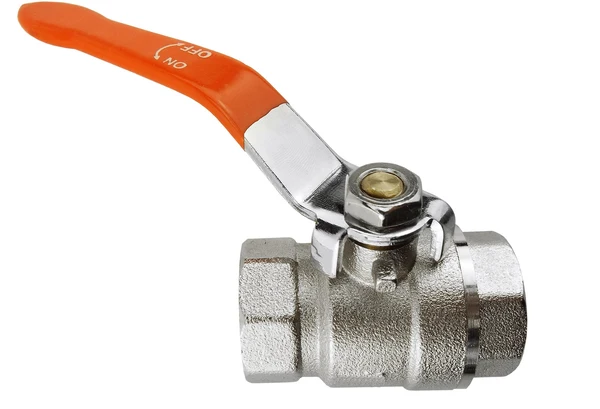
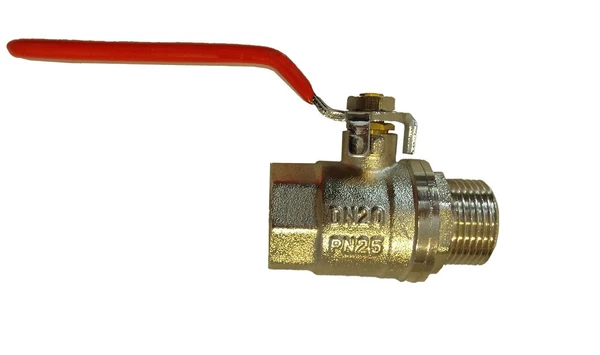
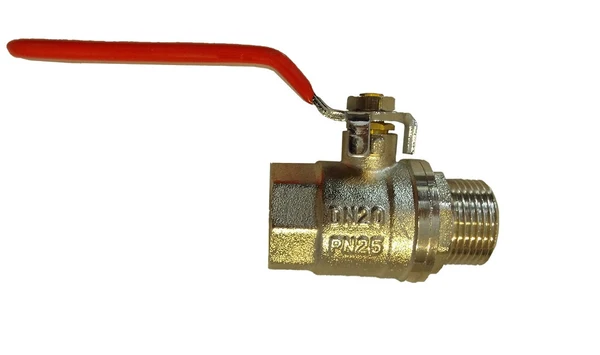
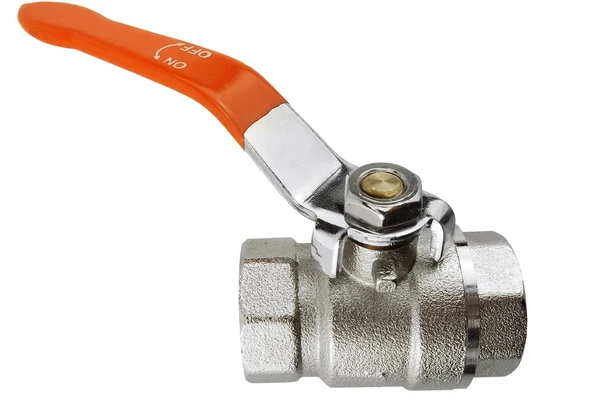
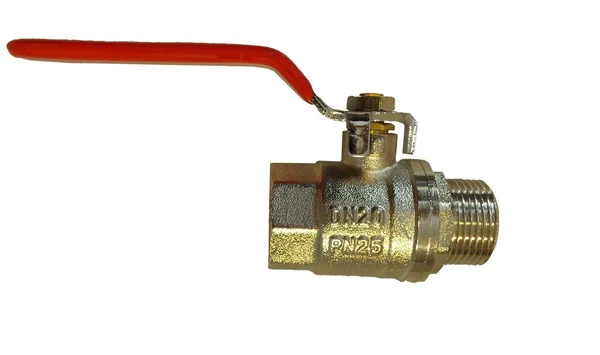
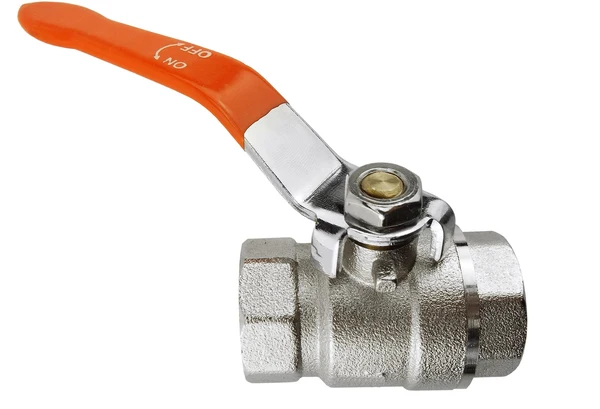
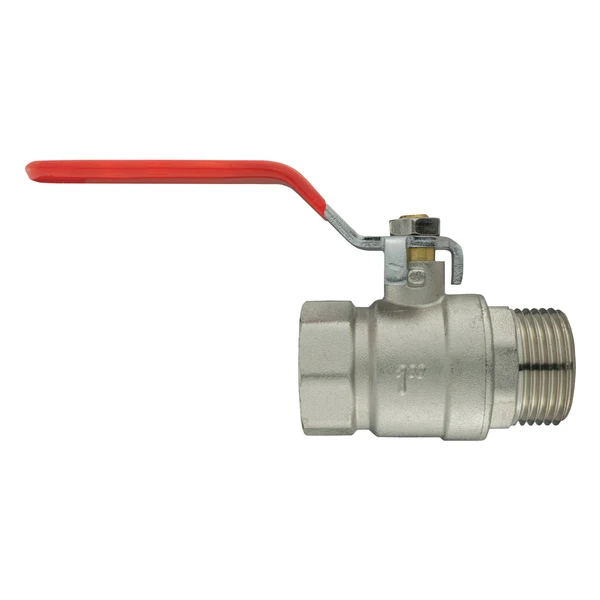
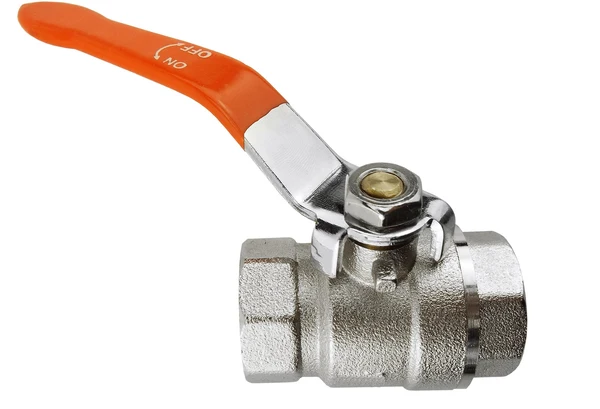
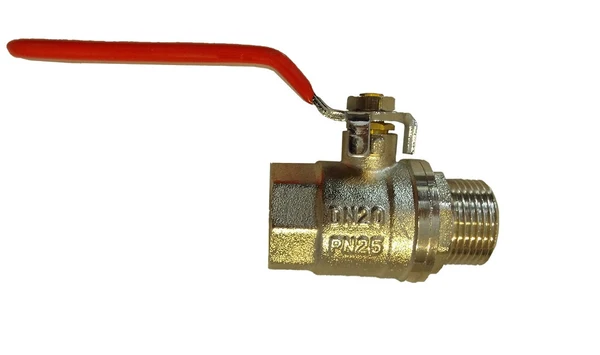
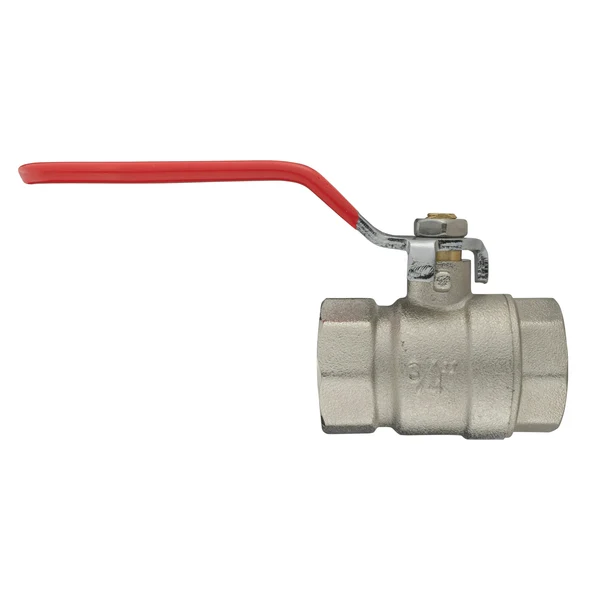
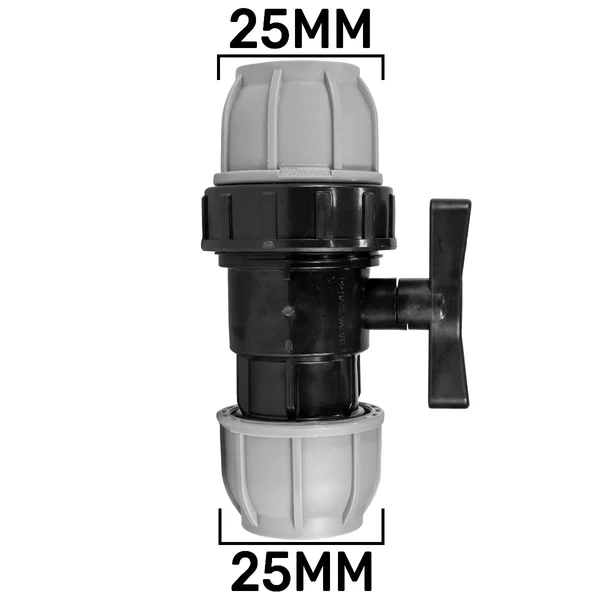
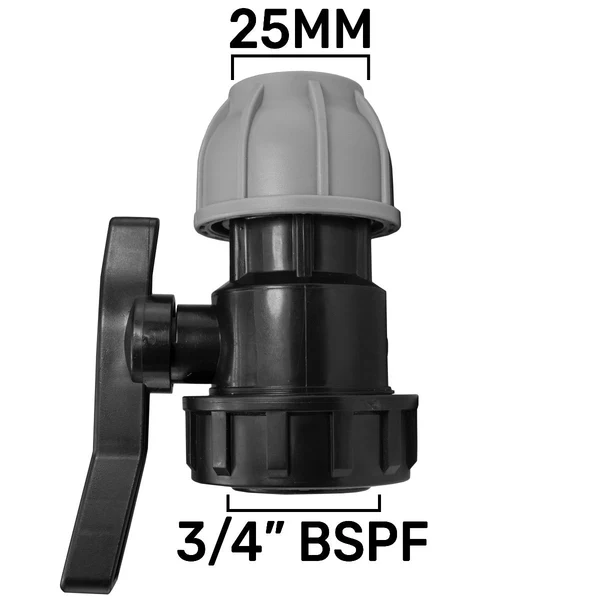
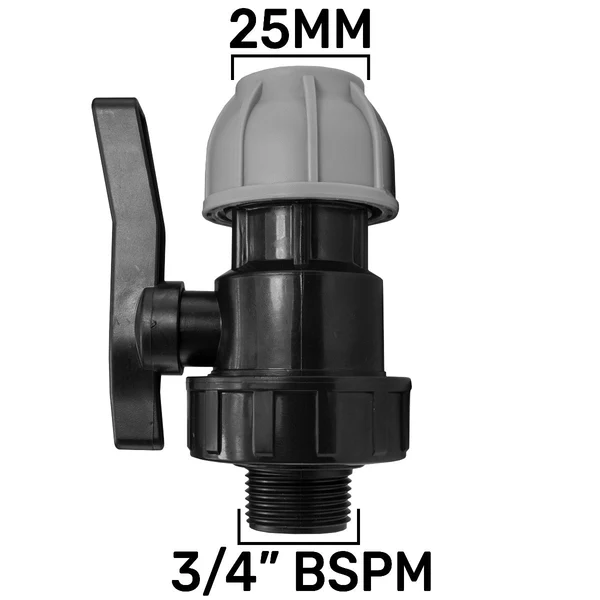
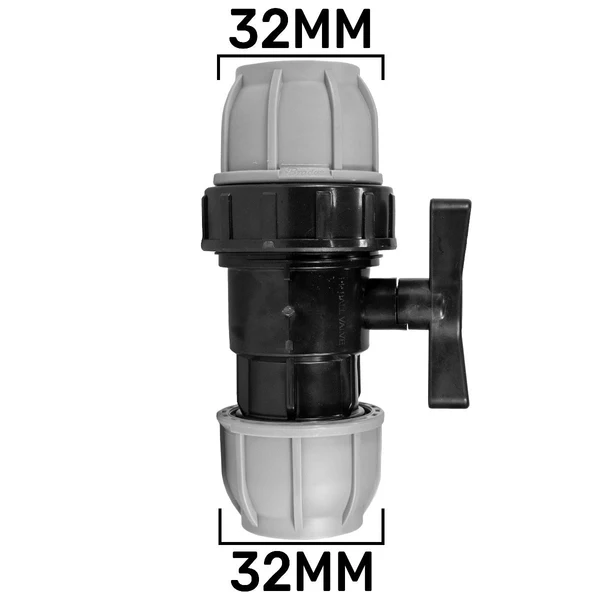
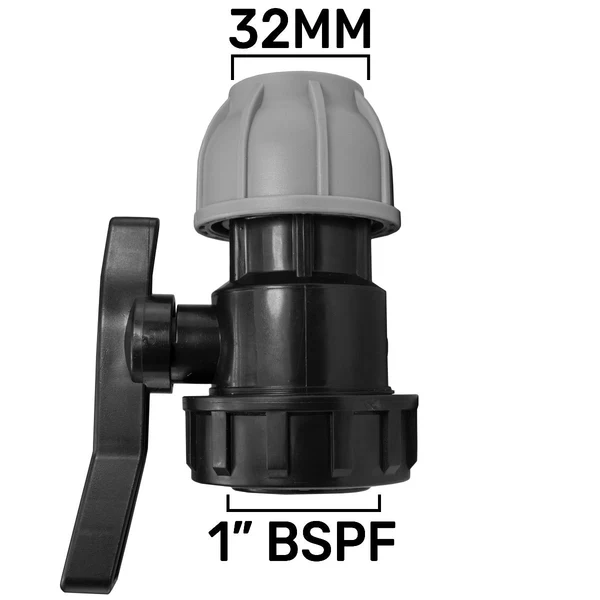
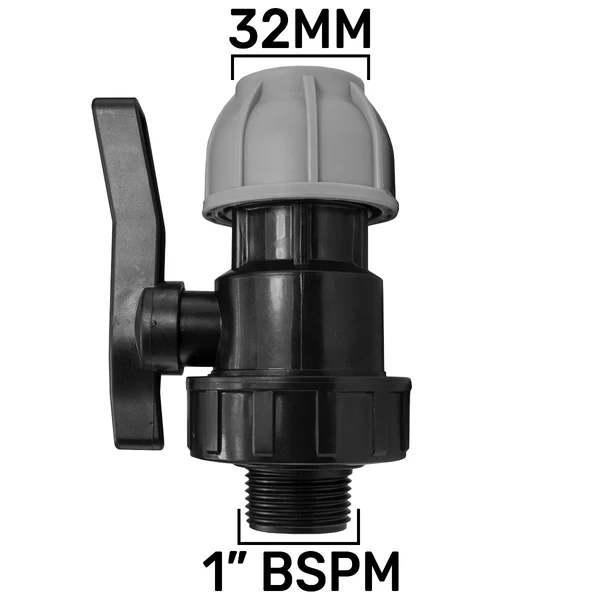
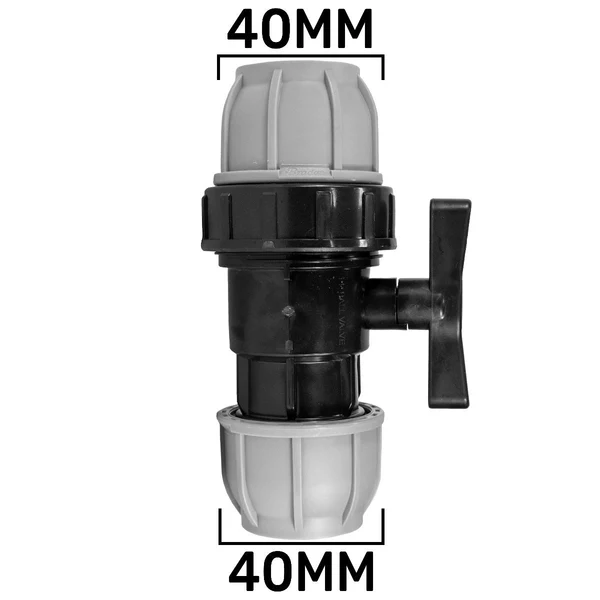
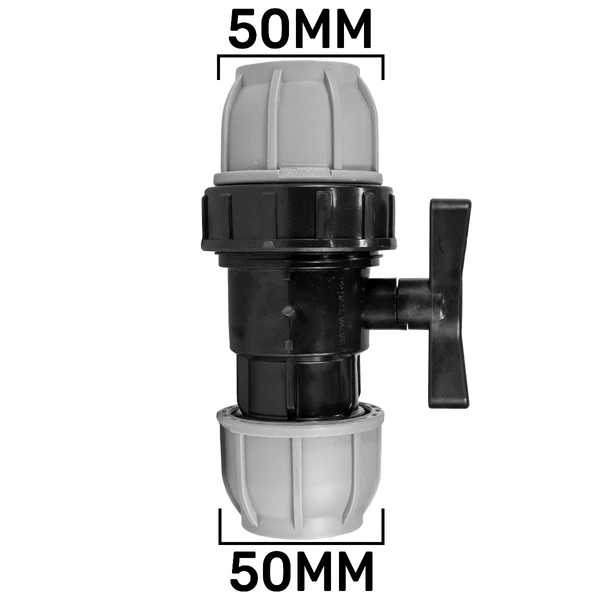
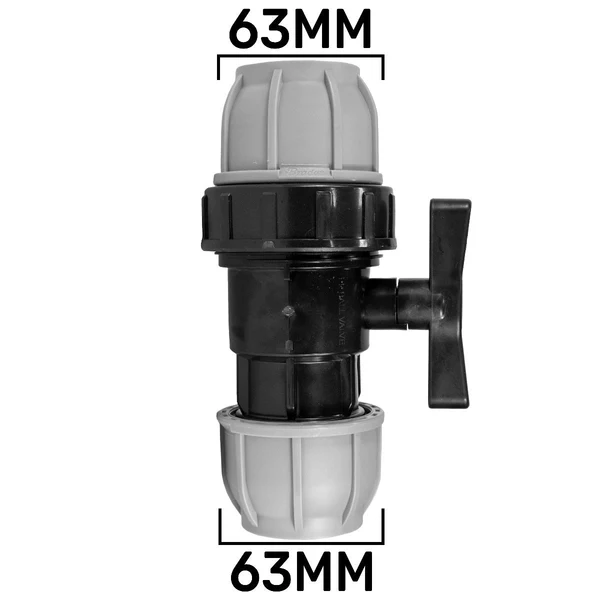
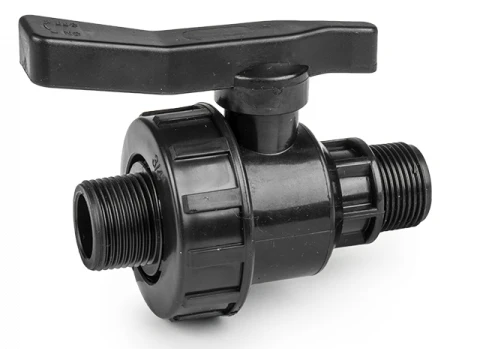
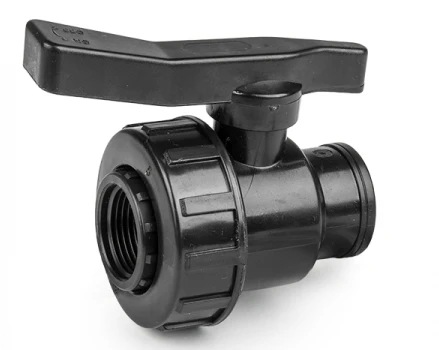
Polypropylene Ball Valves, compared across makers: Costwise. Close alternatives, if this kind is not quite right: Brass Ball Valves and Motorized Ball Valves.
Consider the weight, since it affects how comfortable it is in use.
Pay attention to the parts you touch every time, such as handles, edges or fastenings.
Look at the finish: some surfaces show marks or wear more readily than others.
If it must work with something you already own, check that the two fit together.
Think about how often it will be used, and favour simple, sturdy construction for daily use.
Frequently asked questions
How do polypropylene and brass ball valves differ?
Polypropylene valves resist chemical corrosion in irrigation and rainwater lines, while brass valves handle higher domestic temperatures and rigid pipework.
What sets polypropylene ball valves apart from similar kinds?
What sets polypropylene ball valves apart from similar kinds is usually shape, size or construction; compare them side by side on those points to confirm the right choice.
What matters when replacing old polypropylene ball valves?
When replacing polypropylene ball valves, start from the measurements of what you had and keep what worked, changing only the material or detail that let you down.